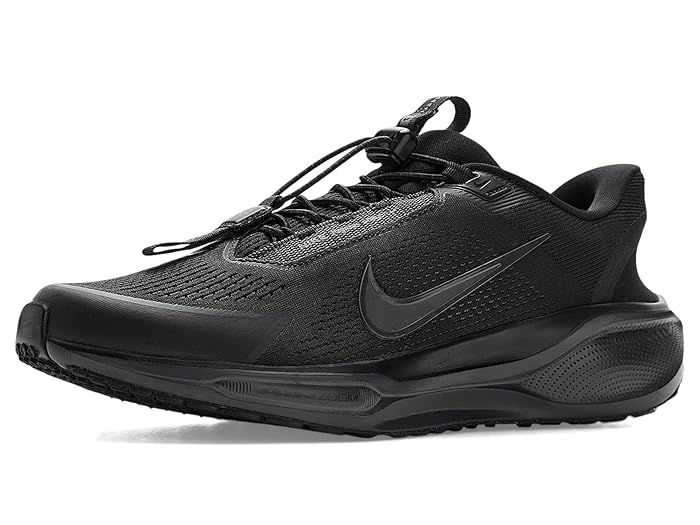
Nike
Pegasus Plus
The Nike Pegasus Plus is a speed-day specialist that bridges the gap between daily trainers and full race shoes. Responsive foam and a snappy plate make tempo runs feel effortless.
Specs
| Weight (M/W) | 8.2 oz / 7.4 oz |
| Stack Height | 37 mm (heel) |
| Drop | 10 mm |
| Cushion | Medium |
| Stability | Neutral |
| Widths | Standard, Wide |
| Surface | Road, Track |
| Price | $180 |
Who it's for
- +speed work
- +tempo runs
- +race-day training
- +fast daily sessions
Who it's not for
- -max cushion lovers
- -recovery runs
- -trail running
Full Review
The Nike Pegasus Plus arrives as a proven performer in the tempo category. The midsole delivers a balanced ride that splits the difference between soft and snappy. At 10mm of drop, the transition from heel to toe feels traditional and smooth — heel strikers will feel right at home.
Fit-wise, the Pegasus Plus runs slightly narrow in the midfoot with a snug, race-tuned feel. At $180, it sits at a competitive price point for what it delivers.
The PEBA-based foam delivers exceptional energy return that you can genuinely feel in your legs at the end of a long run. Overall, the Nike Pegasus Plus is a versatile speedster that earns its spot in any shoe rotation.
— StrideLab Editorial
Compare to similar shoes
| Spec | Nike Pegasus Plus | Saucony Endorphin Speed 5 | Asics Superblast 3 |
|---|---|---|---|
| Price | $180 | $170 | $200 |
| Weight | 8.2 oz | 8.2 oz | 8.2 oz |
| Drop | 10 mm | 8 mm | 8 mm |
| Stack | 37 mm | 36 mm | 42 mm |
| Cushion | Medium | Medium | Soft |
| Stability | Neutral | Neutral | Neutral |
| Carbon Plate | No | No | No |
FAQ
Is the Pegasus Plus good for tempo / speed?
Yes — the Nike Pegasus Plus is designed specifically for the tempo / speed category. It works best for speed work and tempo runs.
How does the Pegasus Plus compare to the Saucony Endorphin Speed 5?
The Pegasus Plus weighs 8.2oz vs 8.2oz for the Endorphin Speed 5, has a 10mm drop (vs 8mm), and retails for $180 (vs $170). See the comparison table above for the full breakdown.
When should I replace the Nike Pegasus Plus?
Most running shoes last 300–500 miles. Watch for midsole compression (the foam doesn't spring back), worn-down outsole lugs, or new aches that weren't there before. If you run 20–30 miles per week, plan on replacing roughly every 4–6 months.
What does the 10mm drop mean?
Drop is the height difference between the heel and forefoot of the shoe. At 10mm, the Pegasus Plus is higher-drop, which can feel more natural for heel strikers and provide extra Achilles relief.
Where to buy
Links go directly to retailer search results. No affiliate commissions.
Not sure if this is your shoe?
Take our quick quiz to see if the Nike Pegasus Plus matches your running style — or find something better.
Take the quiz →Related guides
How to Choose Running Shoes
A complete guide to finding the right shoe for your body and goals.
Running Shoe Drop Explained
What heel-to-toe drop means and how it affects your stride.
Best Shoes for Overpronation
Top stability and guidance shoes for runners who overpronate.
Best Shoes for Plantar Fasciitis
Cushioned shoes that help manage and prevent plantar fascia pain.